
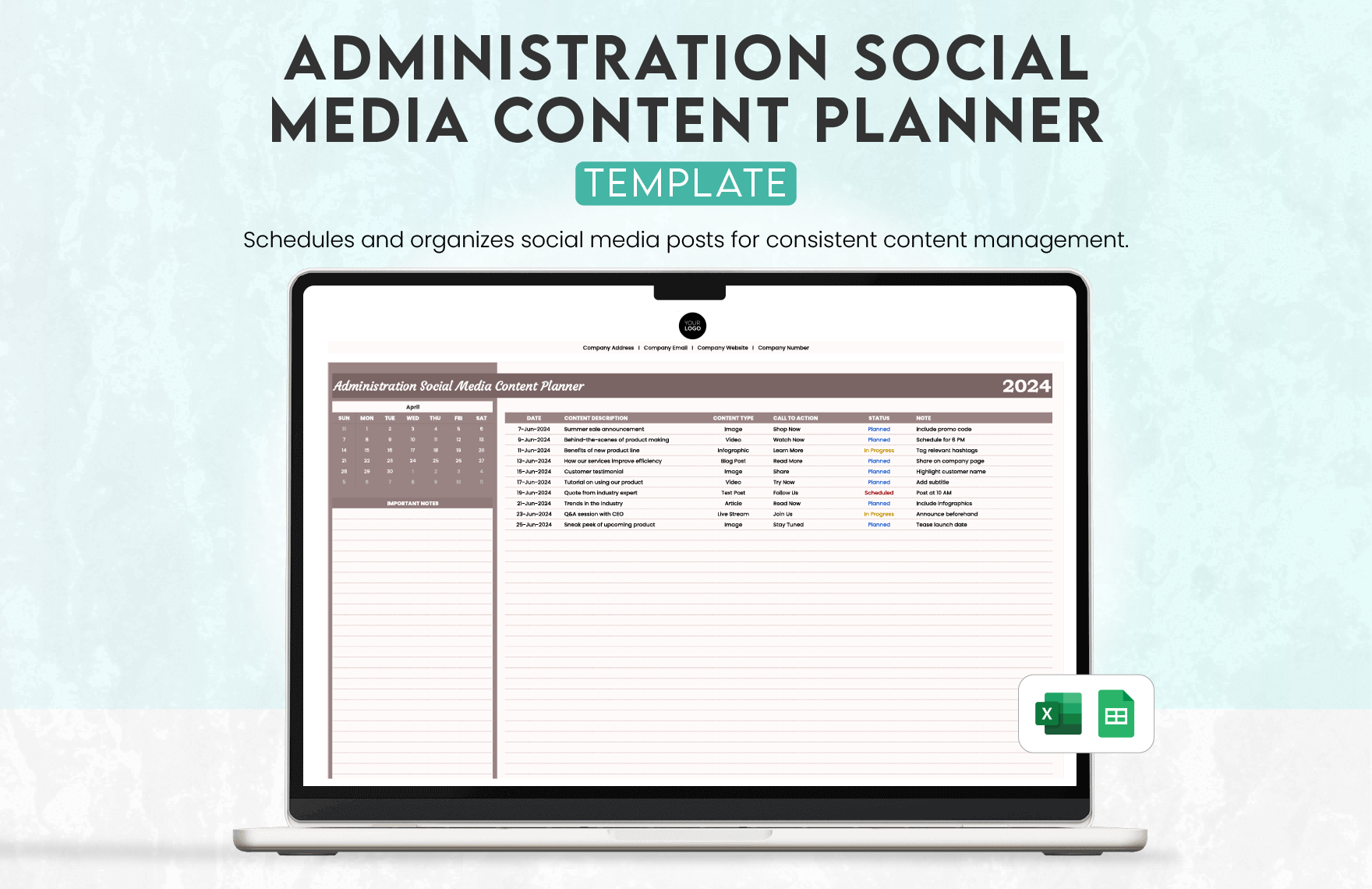
Content Planner: Definition, Benefits, Functions and Duties
A content planner is a position in digital marketing that involves creating content that is currently on the rise. This position is closely related to the growth of social media.
Sometimes the duties of a content designer overlap with those of a content strategist, and in some companies, content planner duties are even assigned to a content strategist.
So, what exactly is a content planner? Read the summary below.
Understanding a Content Planner
A content planner is someone responsible for overall content planning. After the content strategist creates the necessary content strategy, the content designer will implement it into a planned schedule or agenda.
A content planner will create topics based on a content strategy, determine content types and tactics to meet audience preferences and goals, and organize all ideas into an editorial calendar.
This ensures that everyone involved in content creation, such as content creators and content writers, knows their respective tasks and timelines.
Benefits of a Content Planner
This role ensures that the content produced is of high quality. Other benefits of a content planner include:
• Creating a content production schedule
• Ensuring the creation of unique yet useful content
• Making effective use of available production resources
• Increasing engagement or capturing audience attention and involvement in content
• Analyzing content plans and assessing their effectiveness in reaching the target market
• Building company branding and fostering customer loyalty
Duties of a Content Planner
The responsibilities and duties of a content planner include content planning. Here are some of the tasks this position must perform.
1. Creating a content plan
As the name suggests, a content planner’s job is to create a content plan. This plan can be created over a specific period of time. For example, once every two weeks, once a month, or even once a year.
This time period is adjusted based on the needs and results of research previously conducted by the content strategist.
The plan is also tailored to the audience’s needs. This position needs to consider what information the audience wants to receive and in what format it will be delivered.
This position also needs to consider what momentum will be utilized for the campaign. This includes, for example, New Year’s Eve or religious holidays.
2. Designing and Managing an Editorial Calendar
The next task or function of a content planner is to create an editorial calendar that can be accessed and used by everyone involved in marketing.
The editorial calendar will provide an overview of the duties and responsibilities of each position. For example, what designs need to be created, when the deadlines are, and when the content will be published.
The calendar can also be used to monitor the progress of the campaign to ensure it remains in line with the agreed-upon strategy or plan.
The editorial calendar will provide an overview of the duties and responsibilities of each position. For example, what designs need to be created, when the deadlines are, and when the content will be published.
The calendar can also be used to monitor the progress of the campaign to ensure it remains in line with the agreed-upon strategy or plan.
Skills to Become a Content Planner
Now that you understand the duties of a content designer, what skills are needed as a content planner? Here’s a brief explanation.
1. Creative Thinking Skills
Ideas are the lifeblood of content. Without creativity, a campaign won’t attract consumers. Just like in other creative fields, a content planner must possess a strong creative spirit.
This is because you’re not only responsible for scheduling content but also ensuring the content you create engages your audience.
2. SWOT Skills
A SWOT analysis is a strategic planning technique used to help individuals or organizations identify strengths, weaknesses, opportunities, and threats directly related to business project planning.
These content planner skills will help make planning easier. The analysis can also provide insight into the product or brand being campaigned. SWOT skills can also help understand the audience when planning content.
3. Understanding Trends
The next skill needed to become a content planner is the ability to identify key moments to leverage in promotional activities.
Not only do you need to understand trends related to your business industry, but you also need to understand other trends that are still relevant for use in your campaigns.
You also need to be able to leverage trending topics discussed on various media platforms and turn them into a unique and engaging content plan.
How to Use a Content Planner
Here are some ways to use a content planner effectively, including:
1. Paying Attention to Keywords
When designing content, a content planner must consider keywords or topics relevant to the target market. Furthermore, this role also requires ensuring that these keywords are included in the content. This can help position the content on the first page of search results, which will ultimately generate a large audience.
2. Determining the Content Format
A content designer must also consider the content format according to the campaign’s objectives. This format could be in the form of videos, infographics, or blog articles. This can help companies produce content that aligns with consumer preferences.
These are some aspects of the job of a content planner. Based on the discussion above, it can be concluded that a content planner is responsible for planning content in accordance with a content marketing strategy.
Why choose Mitra IT?
• Expert Team: We have a team of experienced and creative technology experts.
• Comprehensive Solutions: We not only provide technology but also offer full support to ensure your business success.
• Focused on Results: We are committed to helping you achieve your business goals.
Don’t miss the opportunity to maximize your business potential!
Contact us now for a free consultation.